
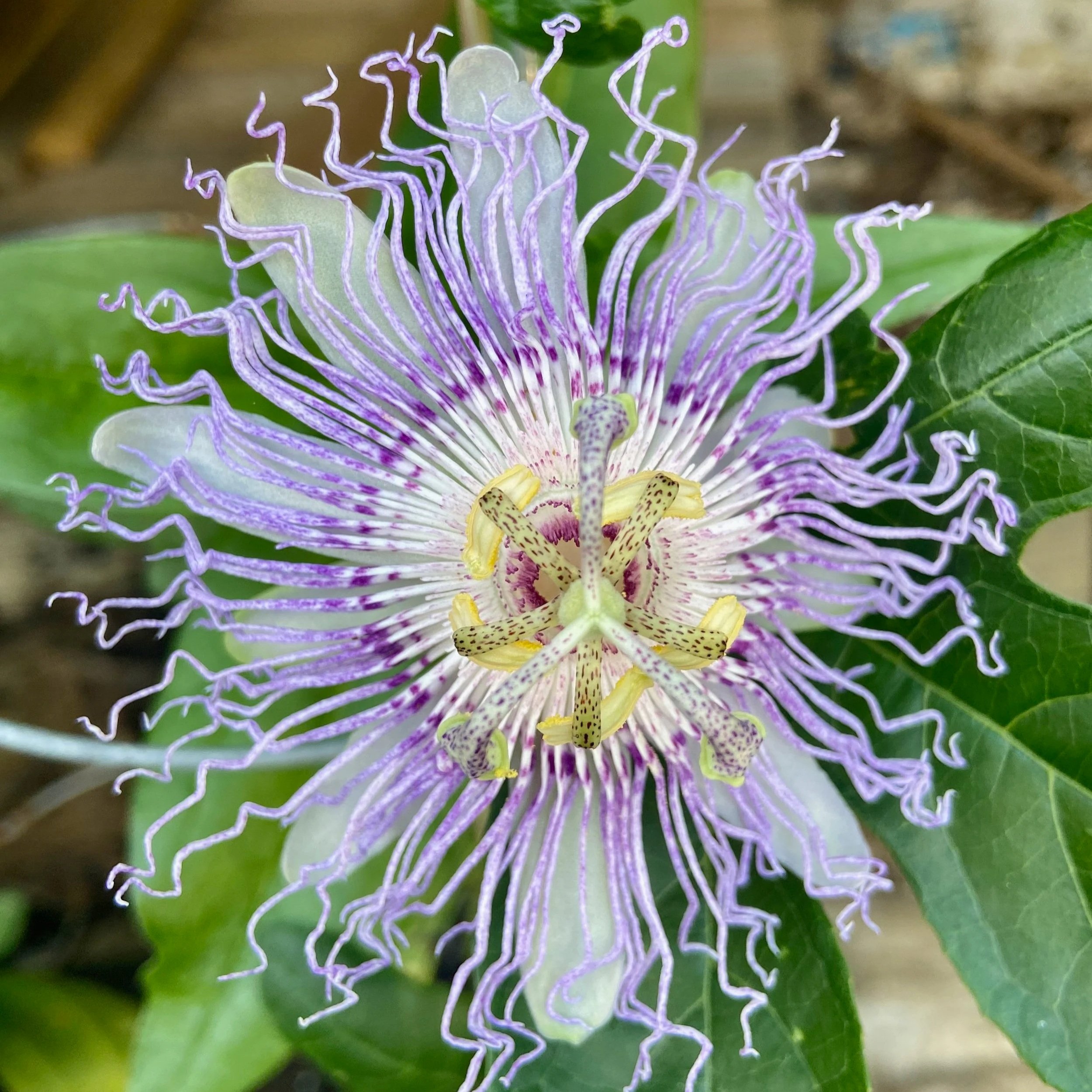
About Divine Nectar
Divine Nectar is a feminine mystery school and temple of Earth magic rooted in the ancient Blue Ridge Mountains of Western North Carolina.
Through women’s retreats, seasonal gatherings, handcrafted plant medicines, yoga and ritual, we deepen our relationships with our bodies, the plants and the natural world.
At the heart of this work is the art of receiving—slowing down, awakening the senses and delighting in life's gifts.
We live in a culture that teaches us to measure our worth by what we produce, to earn our rest and pleasure, and to focus on what we lack rather than what already sustains us. Yet so much of what nourishes us—the air we breathe, the plants that feed and heal us, the care of others—is freely given.
Receiving is the often-neglected counterpart to giving. Even our own creativity, wisdom and capacity to love are shaped by all we've received. We are not the sole source of our gifts, but part of a living exchange. Recognizing this awakens a natural sense of gratitude, and with it, the desire to give in turn.
Divine Nectar is part of Golden Mother Collective, a land-based collective devoted to the sacred feminine, Earth-honoring practices and community.
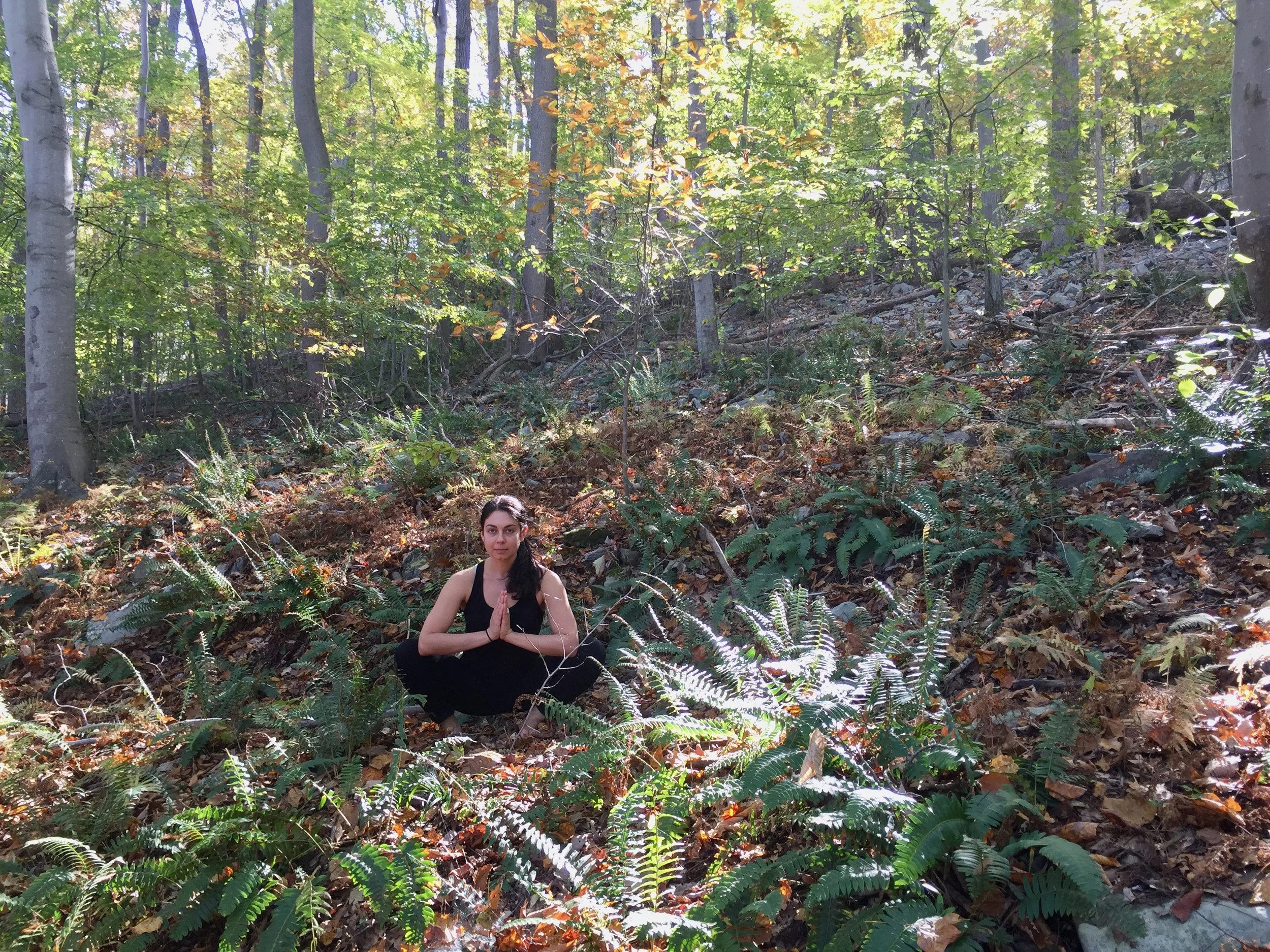
Hello! I’m Mina.
I created Divine Nectar from the practices and experiences that brought me home to my body and into deeper relationship with the Earth.
For much of my life, I was searching for a particular quality of experience: connection, vitality, openness, bliss. I looked for it in romantic relationships, achievement, intensity and substances. But it often proved fleeting.
Over time, studying and practicing yoga, herbalism and Earth-based ritual began to change my understanding of what I was looking for. I discovered that some of my most vivid experiences of connection and aliveness came through surprisingly simple things: breath and movement, time with plants, deep rest, beauty, meaningful relationships and being fully present in my body.
Why “Divine Nectar”?
The name draws from an image I’ve encountered in several traditions I’ve studied: the divine nectar of life.
In the Vedic hymns, soma is a sacred plant and ritual drink. In later yogic and Tantric teachings, it is also understood as an inner nectar of bliss and rejuvenation, and closely associated with amrita, the nectar of immortality. In the Zoroastrian tradition of my Persian ancestry, there is haoma, soma's ancient Indo-Iranian counterpart, honored as a sacred plant preparation used in ceremony. And in the Andean mystical tradition, my teachers introduced me to sami, the finest nectar of the cosmos.
Each has its own meaning and cultural context, but these teachings resonated with something I had come to know through experience: the nourishment that is available through our relationship with the natural world.
My Path
Much of my path has been about finding my way back into relationship—with my body, my ancestry, the places I’ve called home and the natural world. This search has led me through more than two decades of study and practice in yoga, somatic work and holistic health, alongside training in vitalist herbalism, Ayurveda, classical Tantra and Andean nature mysticism.
I’m an E-RYT 500 and registered prenatal yoga teacher, and a trained doula and birthkeeper. Pregnancy, birth and motherhood have profoundly shaped my relationship with the body and the feminine mysteries, particularly the ways women create, change and move through life's thresholds.
Coming Home to the Land
I grew up in the suburbs outside Washington, D.C., and lived in Baltimore for a decade before leaving the city in search of a closer relationship with the land.
Today, I live with my partner and our two boys on a 33-acre homestead in the Blue Ridge Mountains of Western North Carolina, surrounded by forests, gardens and an abundance of wild plants and animals.
Living close to the land has taught me as much as any formal training. There are seasons for growth and flowering, and seasons for rest, composting and beginning again. These rhythms inform how I approach wellness and the offerings I create.
I’m less interested in constant self-improvement than in creating space for women to slow down, feel at home in their bodies and discover what truly nourishes them.